Découvrez comment l'Open Garden améliore l’expérience des annonceurs via l’interopérabilité publicitaire
Uncover the tactics behind greenwashing and learn how to craft truly credible, eco-friendly brand messages.
Sustainable development has become a key priority for brands as consumers expect companies to show greater commitment. However, communicating about initiatives on the sustainable path must be done with care. Greenwashing can seriously undermine the credibility of your message.
Greenwashing is defined as " the practice of making misleading, unsubstantiated, or false claims about the environmental benefits of a product, service, or company practices, with the intent to appear more environmentally responsible than is actually the case".
It is particularly concerning in ads that include a green claim — meaning “a statement, symbol, or label (verbal, written, or visual) that suggests or implies a product, service, brand, or company has a positive or reduced environmental impact, or no impact at all. This includes not only written or spoken text, but also visuals, sounds, logos and labels”.
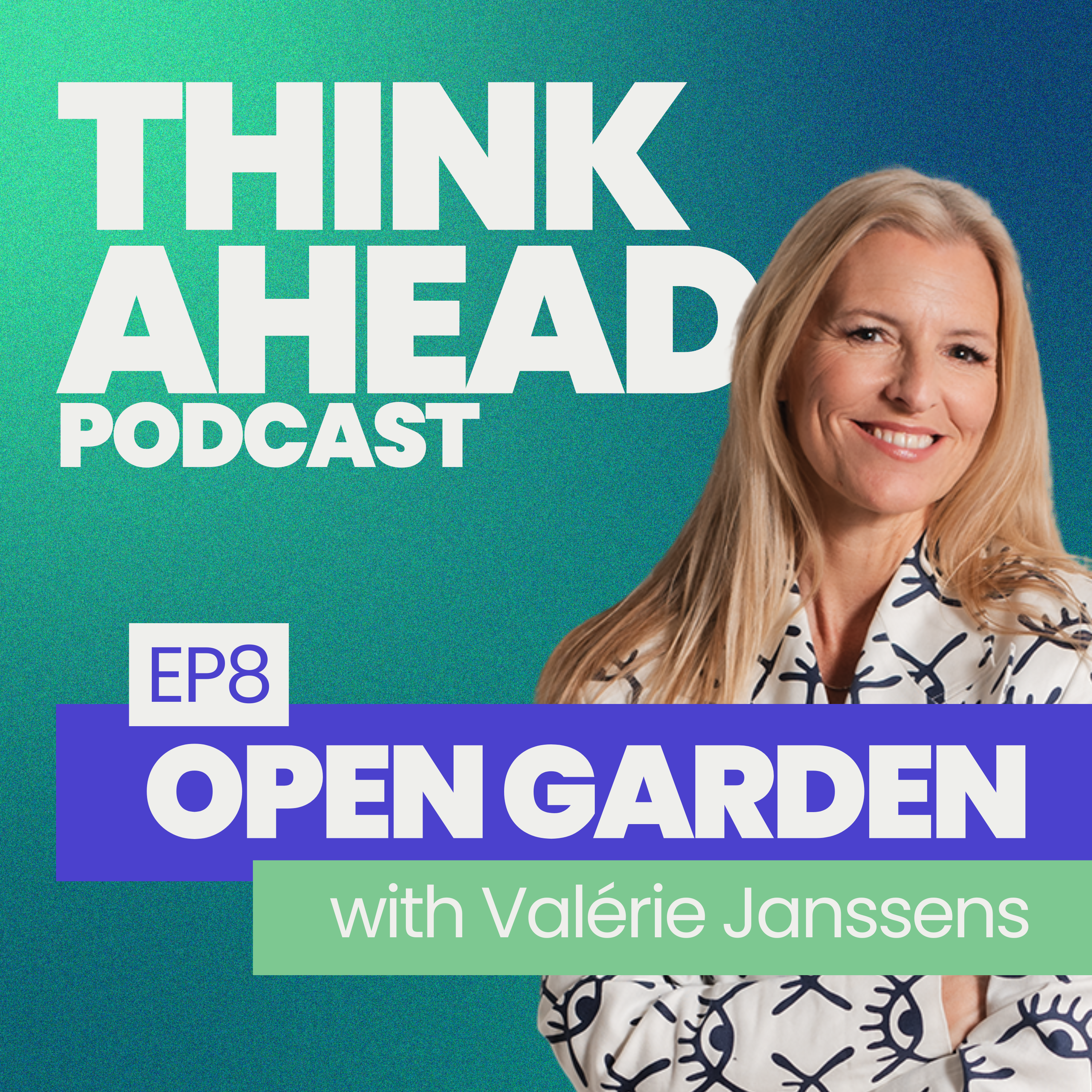
Are you involved in the ecological transition as a brand or product and want to communicate it clearly to your audience? In RMB’s 'Think ahead' podcast, three experts share their insights into the current state of greenwashing in the Belgian advertising market.
Greenwashing poses multiple threats:
Recent studies, including a 2024 survey by Test Achats, confirm the growing sense of greenwashing and its risks:


To tackle greenwashing effectively, the current approach relies on two powerful and complementary pillars:
• Ethical oversight by regulatory bodies (such as JEP in Belgium, JDP and ARPP in France, ADEME and the ICC Code)
• Upcoming legal frameworks, like the European directive “Empowering Consumers for the Green Transition” (https://environment.ec.europa.eu/topics/circular-economy/green-claims_en), due to take effect in 2026.
Given that advertising is a powerful driver of behaviour, media companies and advertising sales houses also play a crucial role in the fight against greenwashing, promoting clear, honest messages aligned with ecological transition goals.
Sustainable development is part of RMB’s DNA. That’s why our sales house takes a strong stand to support brands committed — or willing to commit — to responsible messaging. Among RMB’s initiatives, in collaboration with ecosystem partners, is the Greenlight study, designed to guide advertisers toward more transparent communication practices.
Greenwashing is often unintentional and/or due to communication missteps. Sometimes it stems from a lack of knowledge about how to use environmental claims, or from outdated marketing habits that clash with sustainable messaging principles.
Based on the analysis of thousands of ads, the Greenlight study — conducted by RMB, GiveActions and JCDecaux — provides an overview of greenwashing in Belgian advertising, with results broken down by media (TV, radio, and OOH) and advertiser sectors. The study also outlines the main mistakes to avoid in communication, as it draws from current advertising regulations and ethical guidelines.
.png?language=en)
Découvrez comment l'Open Garden améliore l’expérience des annonceurs via l’interopérabilité publicitaire

Pourquoi le contexte éditorial sportif vaut autant que l’audience

Devenez la préférence de vos consommateurs