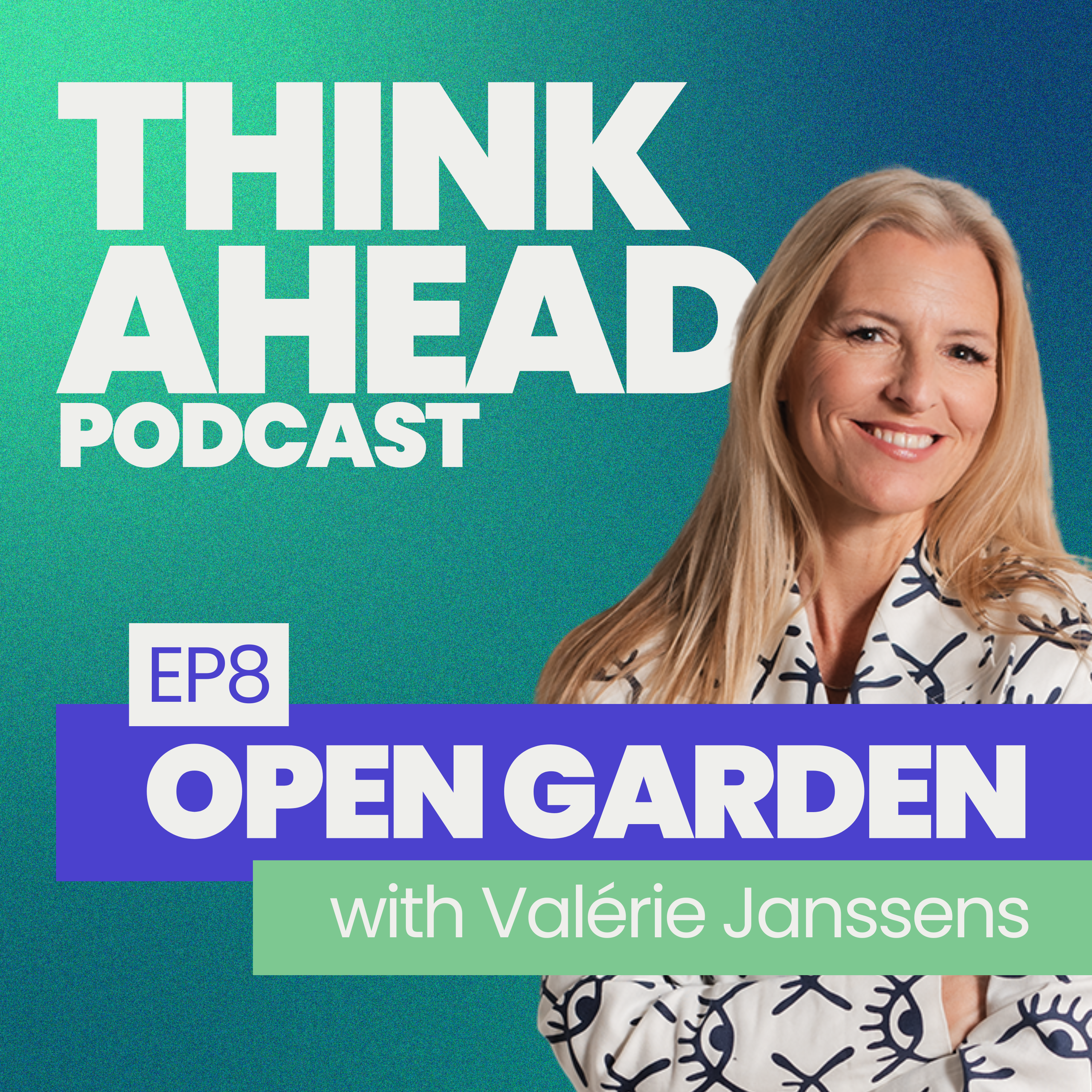
Découvrez comment l'Open Garden améliore l’expérience des annonceurs via l’interopérabilité publicitaire
Communicate your sustainability efforts clearly and get ready for the 2026 green ad regulations.
It's more important than ever for brands to speak about their environmental commitments. A clear, authentic message can build consumer trust, promote sustainable behavior, and support the ecological transition. But to avoid falling into the trap of greenwashing, such messages must be transparent, honest, and credible.
That’s the purpose behind the Greenlight study, launched in 2024 by RMB, JCDecaux, and GiveActions a pioneering initiative assessing the current state of greenwashing in advertising in Belgium. The first edition uncovered a worrying trend: over 39% of “eco - friendly” campaigns (TV, radio, OOH) carried a greenwashing risk.
March 2025 marks the return of Greenlight for its second edition. The results show encouraging progress, but the risk of greenwashing hasn’t vanished staying alert is still key. You want your brand to embrace a more sustainable communication? The study’s insights offer clear guidance to help you get there.

Eco-initiatives from companies are growing fast — and so is the marketing around them. But for brands to steer clear of greenwashing, communication must be specific and accurate to avoid misleading consumers.
A 2020 European Commission study found that over half (53%) of environmental claims reviewed were vague, deceptive, or unsubstantiated. In response, the EU took action. In March 2024, it adopted the “Empowering Consumers for the Green Transition” directive Link to directive: EU Green Claims, which will introduce stricter controls on green marketing and sustainable communication starting in 2026.
What are the most common greenwashing pitfalls? The first Greenlight study emphasized the need to avoid generic claims, exaggerated or unverified messages, misleading references to carbon neutrality, and overly symbolic imagery. This new edition places even more focus on misleading visual labels often mistaken for official certifications as well as those associated to images that exaggerate a product’s environmental qualities.
This 2nd edition of Greenlight analyzed 13,368 Belgian ads broadcast in 2024. The methodology, the same as the 1st edition, stayed strict: AI-assisted detection followed by manual review of content perceived as “eco-friendly”. Claims were assessed for risk based on ethical guidelines (Belgium & France ad ethics bodies, ICC, ADEME) and future EU legal standards.
As before, the results are segmented by sector, media type (TV, radio, OOH), and greenwashing pattern.
Here’s the good news: greenwashing is on the decline. In 2024, 27.4% of ads featuring an environmental claim showed a risk of greenwashing down from 39.2% in 2023. Improvement is on the horizon. But it's not all green yet… Moderate-risk cases fell by 12.5 points, but high-risk ones slightly increased (+0.7 pts). These are precisely the cases the new directive aims to penalize.
Another concerning trend: the share of ads containing environmental claims dropped from 9.2% to 7.8%. This may signal a rise in greenhushing when brands hold back on good intentions for fear of making a misstep.

Number of ads analyzed (2024)
Share of ads with an environmental claim
Share of ‘eco-friendly’ ads at risk of greenwashing
Here are the other standout trends from Greenlight’s second edition :
Découvrez comment l'Open Garden améliore l’expérience des annonceurs via l’interopérabilité publicitaire

Pourquoi le contexte éditorial sportif vaut autant que l’audience

Devenez la préférence de vos consommateurs